Choosing the right marketing strategy can be overwhelming, especially when you’re weighing direct-to-consumer (D2C) against traditional retail approaches. Both methods have their unique advantages, but understanding which suits your brand depends on various factors, such as your audience, goals, and resources. Are you looking for intimate consumer engagement or aiming for widespread distribution through established retailers? In this comprehensive guide, we’ll compare D2C and retail marketing strategies, explore their benefits, and help you decide which is best for your business.
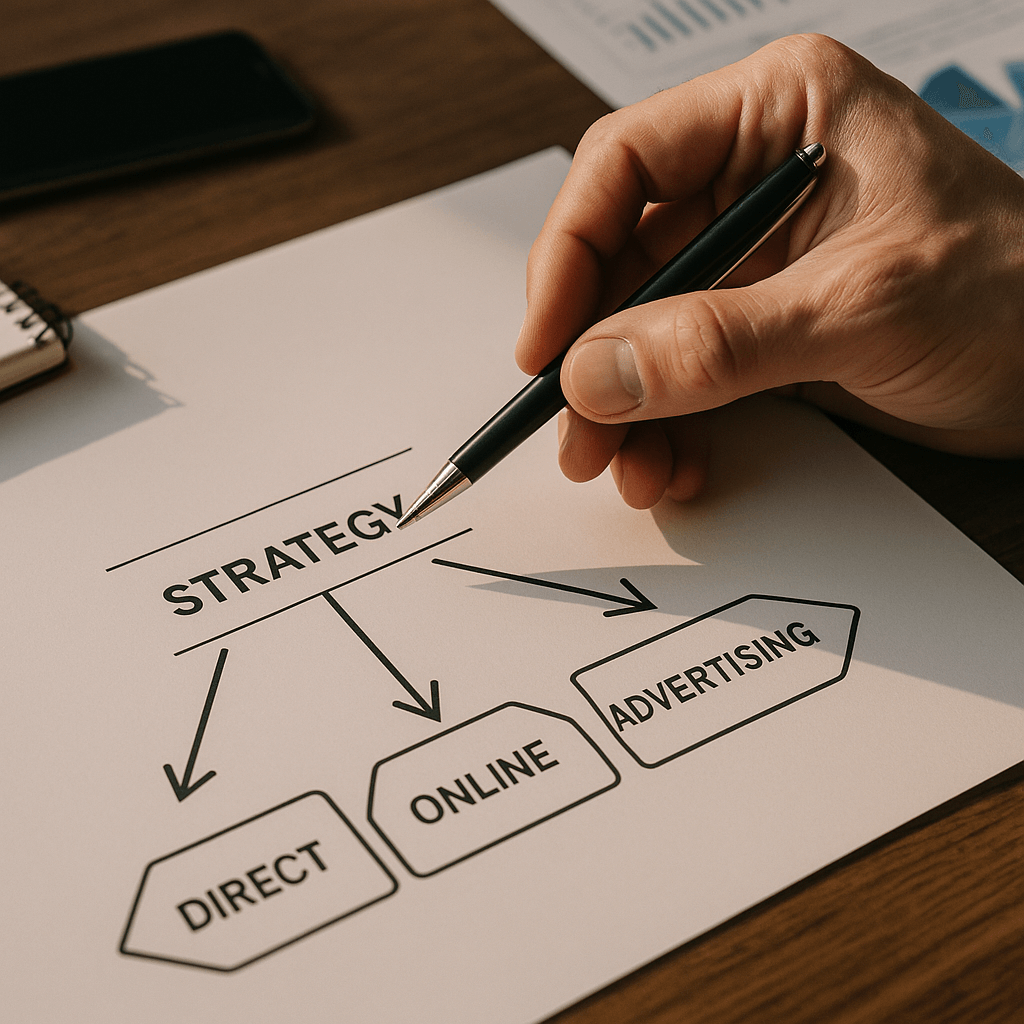
The Short Answer: D2C vs Retail Marketing Strategies At A Glance
Here’s a quick comparison to highlight the key differences between D2C and retail marketing:
Direct-to-Consumer (D2C)
- Best For: Brands seeking direct customer relationships.
- Key Channels: Social media, email marketing, and e-commerce websites.
- Cost Control: Minimizes intermediaries, resulting in better profit margins.
- Data Insights: Offers valuable customer analytics directly from sales.
- Startup Friendly: No need for a physical retail footprint.
Retail
- Best For: Brands targeting mass-market distribution.
- Key Channels: Retail outlets, wholesalers, and distributor networks.
- Consumer Trust: Builds on longstanding retailer credibility.
- Wider Reach: Benefit from existing foot traffic and retail networks.
- Operational Costs: Higher due to middlemen and inventory logistics.

What Is Direct-to-Consumer (D2C) And When Does It Shine?
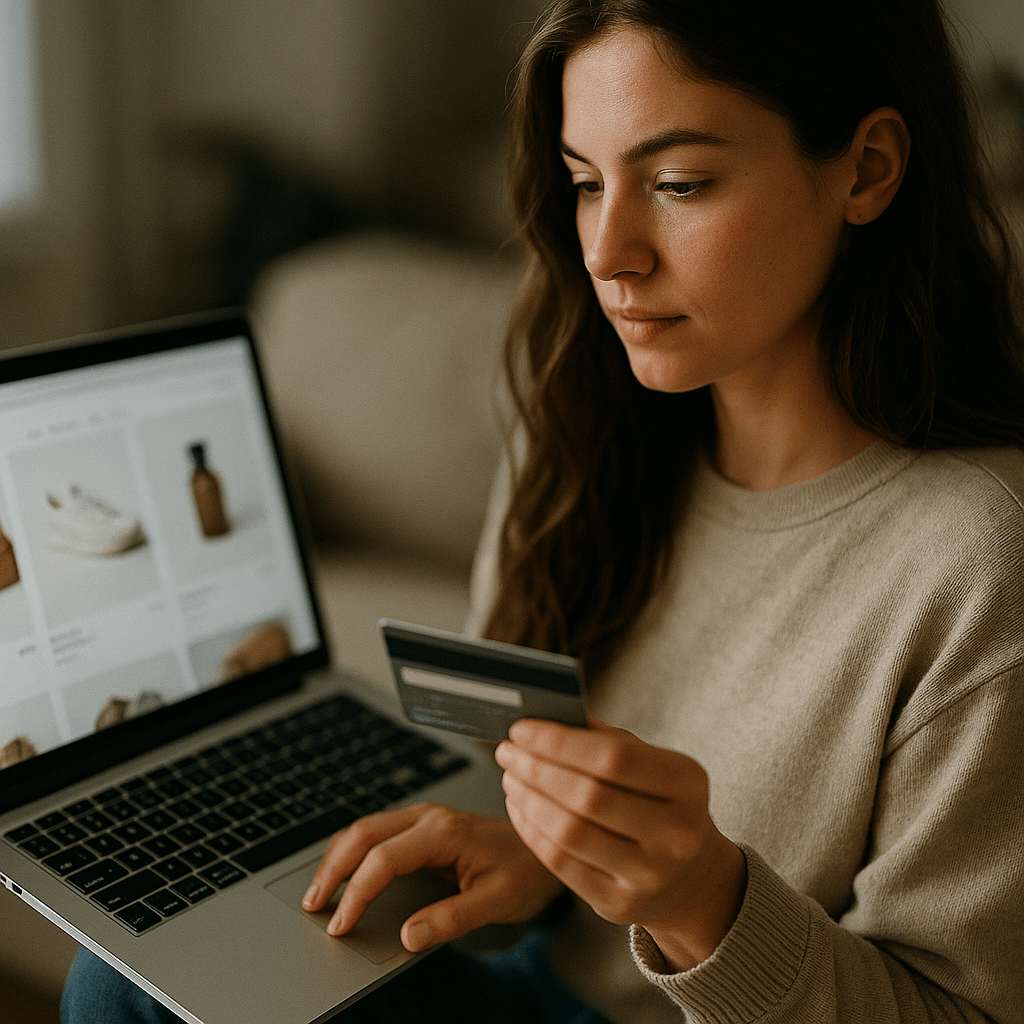
D2C marketing involves selling products directly to customers without intermediaries such as wholesalers or retailers. This approach has gained tremendous traction thanks to the rise of e-commerce platforms and social media marketing.
Benefits of D2C
- Deeper Customer Relationships: D2C brands can interact with customers directly, gathering valuable feedback to refine products or marketing strategies.
- Greater Profit Margins: Cutting out middlemen means fewer splits on profits and better overall revenue.
- Data-Rich Insights: Collect first-party data directly through your website and campaigns to understand consumer behavior.
- Flexibility: Launch new products or adjust inventory quickly without relying on third parties.
When To Choose D2C
Brands that thrive on direct engagement with consumers or sell niche or premium products often benefit from D2C marketing. If your focus is online scalability and building a loyal audience, D2C is the clear choice.
What Is Retail And When Does It Win?
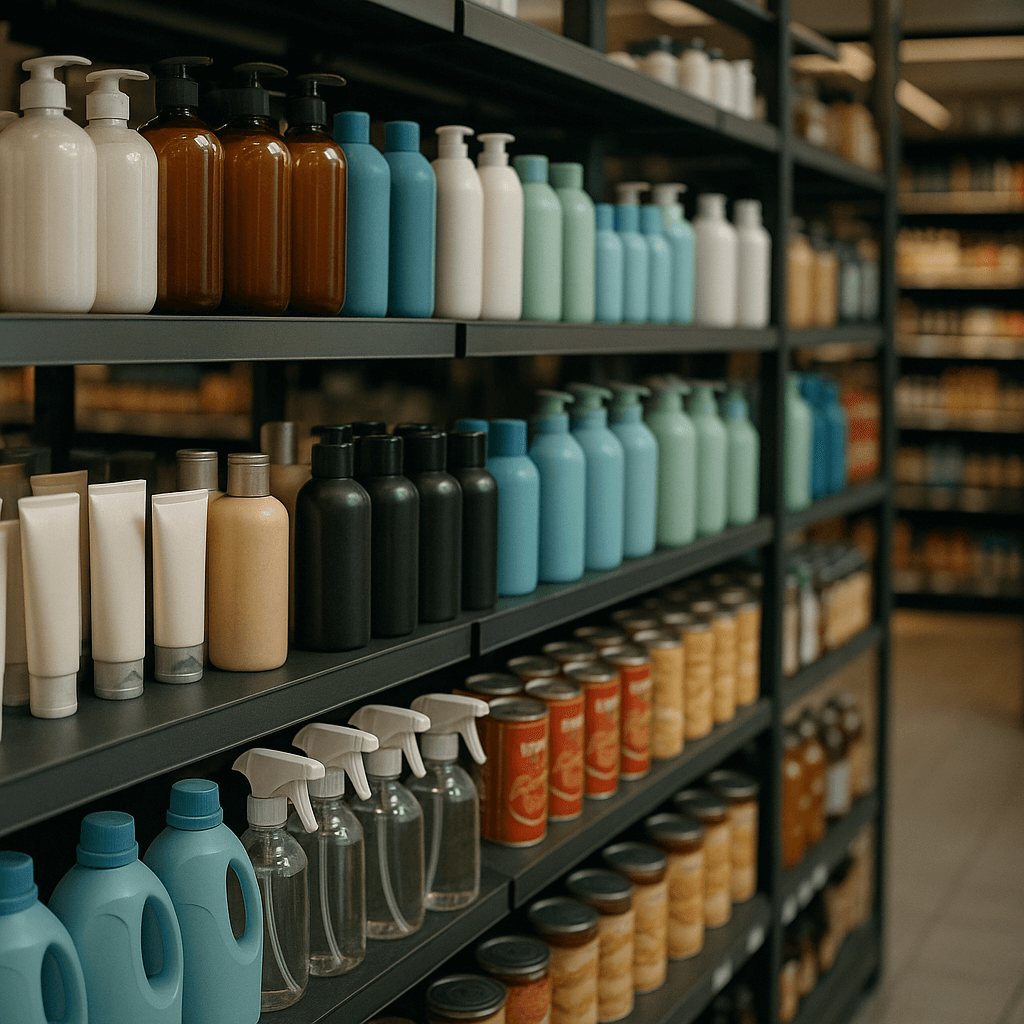
Retail marketing relies on established networks of physical or digital stores to distribute products to consumers. This traditional approach works best for brands looking to make their products widely available.
Benefits of Retail
- Mass Exposure: Retail stores offer immediate visibility to a diverse audience.
- Credibility: Consumers often trust brands available through major retailers.
- Convenience: Hassle-free shopping through physical locations or established online platforms.
- Logistical Support: Retail partners often assist with warehousing and inventory management.
When To Choose Retail
If your product is designed to cater to a broad audience or relies on higher economies of scale, retail channels could be your best bet. Big-box retailers and supermarket chains are ideal for brands with high production capacity aiming for mass distribution.
How Fit Changes The Decision
Your business model and brand identity heavily influence whether D2C or retail marketing is most suitable:
Consider Your Audience
- D2C works better for niche markets and savvy shoppers with specific preferences.
- Retail serves brands catering to mass audiences or those who value convenience.
Evaluate Your Resources
- D2C demands robust digital marketing skills and a customer-centric focus.
- Retail marketing relies significantly on partnerships and logistics capacity.
Think About Growth Goals
- If you aim to scale slowly and build brand loyalty, D2C is ideal.
- For scaling faster with broader distribution, retail partnerships offer convenience.
Real Life Scenarios
Scenario 1: A Sustainable Skincare Brand
Launching a niche skincare brand focusing on eco-friendly ingredients is perfect for D2C. You can tell your brand story directly through email campaigns and social ads while connecting deeply with sustainability-conscious shoppers.
Scenario 2: A Popular Snack Food Line
Looking to scale a widely-loved snack product? Retail partnerships with supermarkets and big-box stores will give you exposure to more customers while leveraging trusted distribution channels.
Scenario 3: A Fitness Equipment Brand
Fitness brands often benefit from D2C for direct manufacturing control and connecting with fitness enthusiasts online – particularly leveraging virtual communities and influencer campaigns.
Scenario 4: A Home Goods Collection
If you’re selling everyday essentials like furniture or kitchenware, combining both retail and D2C could be powerful. Physical retailers offer visibility, while D2C channels build direct customer loyalty.
Common Myths
- D2C is only for small brands: Many large companies are shifting to D2C for closer consumer relationships.
- Retail is outdated: Retail still drives significant sales worldwide, especially for non-niche products.
- D2C marketing is cheaper: While it cuts middleman costs, digital marketing expenses can be high.
- Retail eliminates marketing needs: Retail partnerships still require strong branding and promotional efforts to stand out.
- D2C means no logistics burden: Handling direct inventory and shipping can be challenging without proper systems.
So… D2C Or Retail?
Ultimately, the choice between D2C and retail marketing depends on your goals, audience, and resources. If you value direct engagement and flexible product launches, D2C suits brands looking to build long-term loyalty. However, if mass-market visibility and convenience are your priorities, retail offers incredible reach.
Consider experimenting with both models if your resources allow, leveraging each channel’s unique benefits. Diversifying sales channels can provide robust growth opportunities while mitigating risks.
Sources
FAQs
- What does D2C mean? D2C stands for direct-to-consumer, referring to brands selling directly to customers without intermediaries.
- How can I transition from retail to D2C? Start by building an e-commerce platform and investing in digital marketing strategies like social media and email campaigns.
- Can brands use both D2C and retail? Yes, many brands successfully leverage both models to maximize growth and customer engagement.
- What’s the key benefit of D2C? It enables brands to build direct relationships with customers and access first-party data.
- Is retail marketing still effective today? Absolutely – retail remains a vital avenue for brands targeting large-scale distribution.