In today’s competitive digital marketplace, D2C brands often face the challenge of standing out amidst a sea of online retailers and established brick-and-mortar giants. While a strong national or global online presence is crucial, many D2C brands overlook a powerful growth lever: local SEO. Imagine capturing the attention of customers who are actively searching for products or services like yours, right in their neighborhood. This isn’t just for physical storefronts anymore. For direct-to-consumer businesses, mastering a smart local SEO strategy can mean the difference between being a forgotten URL and becoming a beloved local favorite, driving highly motivated customers directly to your digital doorstep, your pickup point, or even local events.
At D2SEO, we understand that your brand’s success hinges on visibility and relevance. This comprehensive guide will demystify local SEO for D2C brands, providing you with the insights and actionable steps to unlock a powerful new sales channel and build stronger community connections.
What Is Local SEO for D2C Brands?
Local SEO, or Local Search Engine Optimization, is the process of optimizing your online presence to attract customers from specific geographic areas. Traditionally, it has been associated with businesses that have physical storefronts, like restaurants or boutiques. However, for direct-to-consumer (D2C) brands, the definition expands to encompass any strategy designed to appeal to customers within a defined service area, a local delivery zone, or even around a headquarters or distribution center.
Unlike traditional SEO, which focuses on broad keywords and national rankings, local SEO prioritizes searches with local intent. Think “women’s athleisure wear [city name]” or “artisanal coffee beans near me”. Even without a retail storefront, D2C brands can leverage local SEO to highlight local pickup options, promote local pop-up shops or events, target regional advertising, and build brand recognition within specific communities. It’s about connecting with customers where they live, work, and search.
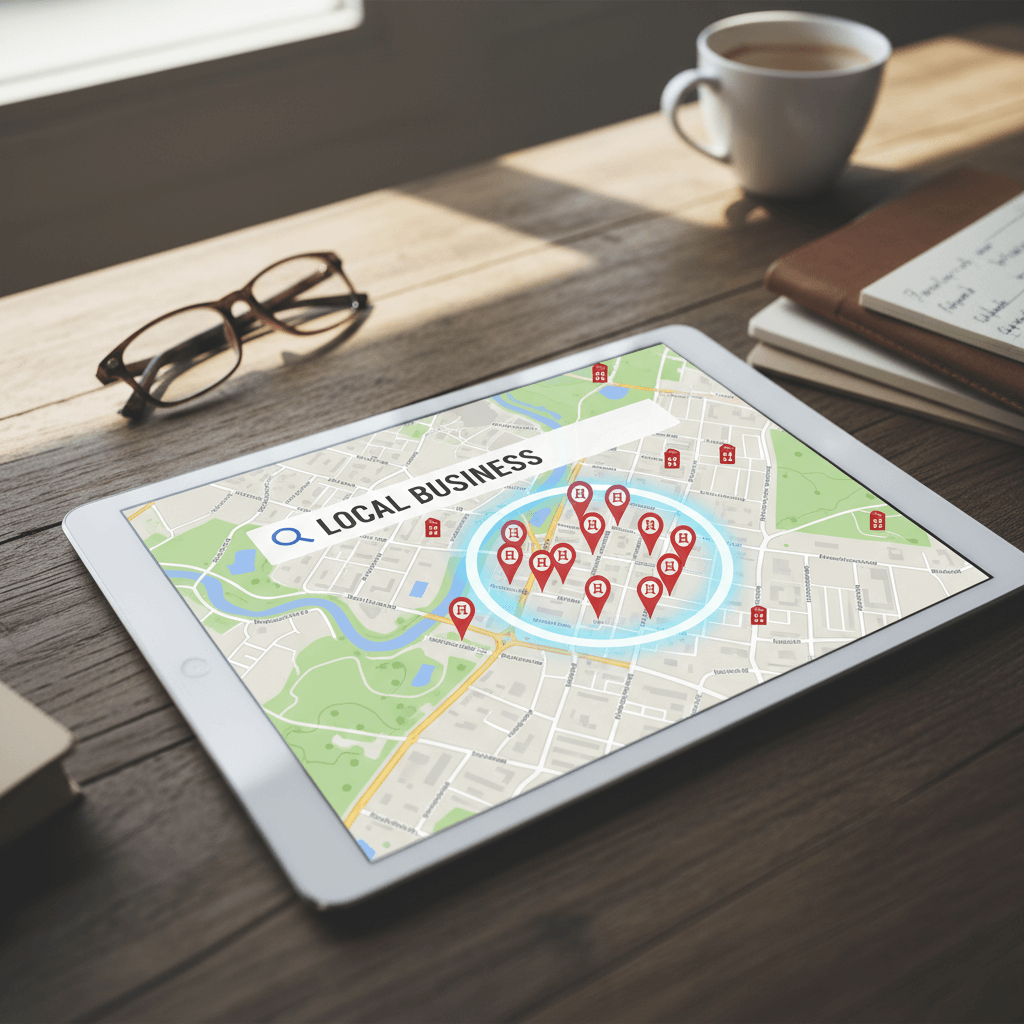
How Local SEO Actually Works for Direct-to-Consumer Brands
The mechanics of local SEO for D2C brands involve a strategic blend of traditional SEO tactics adapted for a local context. It’s about sending clear signals to search engines like Google that your brand is relevant to users performing local searches. Here are the core pillars:
1. Google Business Profile (GBP) Optimization
Even without a walk-in store, a well-optimized Google Business Profile is the cornerstone of any effective local SEO strategy for D2C brands. While you might not list a storefront address, you can verify a service area, your primary operating address (like a warehouse or office), or even a designated pickup location. This profile powers your appearance in Google Maps, local pack results, and Google Search. Key elements include:
- Accurate and consistent Name, Address, Phone number (NAP) details.
- Clearly defined service areas or physical location if applicable.
- High-quality images of your products, team, and operational space.
- Regular posting of updates, offers, and events.
- Actively responding to customer reviews.
2. Local Keyword Research and Content Strategy
This pillar focuses on understanding what local customers are searching for. It goes beyond generic product terms to include geographic modifiers. For D2C brands, this means:
- Identifying “near me,” “[city] D2C,” or “[product] [city/state]” keywords.
- Creating dedicated local landing pages for key cities or regions where you offer specific services like expedited delivery or local pickup.
- Integrating local keywords naturally into blog posts, product descriptions, and website copy, especially for content related to local events or community engagement.
3. Local Citations and Directory Listings
Citations are online mentions of your business’s NAP information. Consistency across various online directories and platforms signals trustworthiness to search engines. For D2C brands, this involves:
- Listing your brand on relevant industry-specific directories, local chambers of commerce (if applicable), and major data aggregators like Yelp, Yellow Pages, and Foursquare.
- Ensuring that your business name, phone number, and any relevant address (even if it’s a non-public office) are identical across all listings.
- Considering listings in directories specific to your product niche that might have a local search component.
4. Local Link Building and Community Engagement
Building local links involves acquiring backlinks from other local websites. This can significantly boost your domain authority and local relevance. Strategies include:
- Partnering with local influencers or bloggers for product reviews or collaborations.
- Sponsoring local events or charities, and getting your brand listed on their websites.
- Collaborating with complementary local businesses for cross-promotion.
- Engaging with local online communities and forums.
5. Website Optimization and Schema Markup
Your website itself must be optimized for local search. This includes:
- Ensuring your website is mobile-friendly and loads quickly.
- Having clear contact information, including a phone number with a local area code if appropriate.
- Implementing Schema Markup (structured data) to help search engines understand your business information, such as your organization type, address, and service areas. This can enhance your visibility in rich snippets and local knowledge panels.

How To Apply Local SEO for Your D2C Brand Step By Step
Implementing an effective local SEO strategy for D2C brands requires a systematic approach. Follow these steps to build a strong local presence:
- Claim and Optimize Your Google Business Profile: This is your starting point. Visit Google Business Profile and either claim an existing listing or create a new one. Even if you don’t have a storefront, you can register as a “service area business.” Fill out every section completely: business hours (if applicable), accurate contact information, categories that best describe your products, compelling photos, and a detailed description of your brand and what you offer. Regularly post updates and respond to all reviews, positive or negative.
- Conduct Targeted Local Keyword Research: Use tools like Google Keyword Planner, SEMrush, or Ahrefs to identify keywords combining your products with local terms. Think about how people in your target cities might search. For example, “sustainable activewear Los Angeles” or “handmade ceramics Brooklyn.” Also, consider intent-based local searches like “where to buy [product] locally” or “best [product type] [city].”
- Optimize Website Content with Local Keywords: Integrate your researched local keywords naturally into your website. This includes:
- Creating dedicated local landing pages for key cities or regions, detailing specific offerings like local delivery, pickup points, or events relevant to that area.
- Weaving local phrases into product descriptions, blog posts, and your “About Us” page.
- Ensuring your contact page clearly states any local service areas or operational locations.
- Crafting meta titles and descriptions for pages with local relevance.
- Build Consistent Local Citations and Directory Listings: Beyond Google Business Profile, ensure your brand’s NAP (Name, Address, Phone number) details are consistent across all online directories. This includes Yelp, Foursquare, Yellow Pages, and any industry-specific directories relevant to your niche. Accuracy and consistency are paramount for search engine trust. Use tools to audit existing citations and correct any discrepancies.
- Actively Encourage and Manage Customer Reviews: Reviews are a massive local SEO factor. Implement strategies to encourage your D2C customers to leave reviews on your Google Business Profile and other relevant platforms. This could involve email follow-ups after purchase, QR codes on packaging for local pickup, or direct requests. Respond promptly and professionally to all reviews, showing appreciation for positive feedback and addressing concerns constructively.
- Develop a Local Link Building Strategy: Seek backlinks from authoritative local websites. This could involve:
- Collaborating with local media outlets or bloggers for product features.
- Sponsoring local community events or charities.
- Partnering with other non-competing local businesses for cross-promotional content or services.
- Participating in local online forums or groups where your brand can offer value.
- Implement Local Schema Markup: Add structured data to your website to help search engines better understand your business’s local relevance. Use schema types like `LocalBusiness`, `Organization`, or `Product` with location attributes. This can help your brand stand out in search results with rich snippets, displaying information like ratings, prices, or availability directly in search engine results pages (SERPs).
- Monitor and Analyze Performance: Regularly track your local SEO performance using Google Analytics, Google Business Profile insights, and other SEO tools. Monitor local rankings for your target keywords, website traffic from local searches, and customer engagement metrics. Use this data to refine your strategy continually.

Common Mistakes And Myths in Local SEO for D2C Brands
Navigating the world of local SEO can sometimes lead to pitfalls. Here are some common mistakes and pervasive myths that D2C brands should avoid:
- Myth: Local SEO is Only for Brick-and-Mortar Stores. This is perhaps the biggest misconception. While traditional local SEO focuses on physical storefronts, D2C brands can absolutely leverage local strategies for local delivery, pickup points, pop-up events, regional marketing, and to build community trust in their home base.
- Mistake: Ignoring NAP (Name, Address, Phone) Consistency. Even if your “address” is a non-public office, inconsistent NAP details across your Google Business Profile, website, and other online directories can confuse search engines and harm your local rankings. Ensure every instance is identical.
- Mistake: Not Actively Soliciting and Responding to Reviews. Customer reviews are a critical ranking factor and social proof. Ignoring them or not encouraging new ones means missing out on valuable signals to search engines and potential customers.
- Myth: Local SEO is a One-Time Setup. Local SEO, like all SEO, is an ongoing process. Google’s algorithms evolve, competitors emerge, and your business details might change. Regular optimization, updates, and monitoring are essential for sustained success.
- Mistake: Keyword Stuffing Local Terms. Overloading your content with local keywords in an unnatural way can lead to penalties from search engines and a poor user experience. Focus on natural language and providing genuine value.
- Mistake: Neglecting Mobile Optimization. A significant portion of local searches happens on mobile devices. If your D2C website isn’t mobile-friendly and fast-loading, you’ll lose out on potential local customers.
Real Life Scenarios: Local SEO in Action for D2C
To illustrate the power of a targeted local SEO strategy for D2C brands, let’s explore a few scenarios:
Scenario 1: The Artisanal Food Delivery Brand
A D2C brand specializing in gourmet meal kits operates from a central kitchen and offers local delivery within a 50-mile radius. They don’t have a retail storefront. Their local SEO strategy focuses on:
- Optimizing their Google Business Profile as a “service area business” covering their delivery zones.
- Creating local landing pages for major cities within their delivery radius (e.g., “Gourmet Meal Kits Seattle”).
- Encouraging reviews on their GBP and local food directories.
- Partnering with local food bloggers and community groups for mentions and backlinks.
Result: Increased visibility for “meal kits near me” searches, leading to a significant boost in local online orders and brand recognition within their target communities.
Scenario 2: The Online Custom Furniture Maker
A D2C furniture brand sells online but has a small workshop where customers can schedule appointments to see samples or pick up orders. They also participate in local artisan markets.
- Their Google Business Profile is optimized to show their workshop address, with clear hours for appointments/pickup.
- They use local keywords like “custom wood furniture [city]” on their website and blog posts discussing local sourcing.
- They ensure consistent NAP across all market listings and local craft directories.
- They engage with local home decor influencers and are featured by local event calendars for their market appearances.
Result: Higher rankings for local furniture searches, driving appointment bookings and local pickups, reducing shipping costs, and fostering a strong local customer base that appreciates craftsmanship.
Scenario 3: The Sustainable Apparel Brand with Regional Distribution
A D2C apparel brand focuses on sustainability and has a strong online presence. They operate multiple smaller distribution hubs across different regions to facilitate faster, more eco-friendly delivery.
- They optimize Google Business Profiles for each distribution hub, listing them as service areas or regional offices, depending on Google’s guidelines.
- They create regional content showcasing local models, photographers, and events related to sustainability in those areas.
- They partner with local environmental organizations and ethical fashion blogs in key cities for link building.
- They implement schema markup for their products with local availability information.
Result: Enhanced visibility in regional searches for “sustainable clothing [region]”, driving traffic to their site from eco-conscious local consumers and reinforcing their brand’s commitment to local impact.
D2SEO’s Approach to Local SEO Strategy for D2C Brands
At D2SEO, we believe that a successful local SEO strategy for D2C brands isn’t about shoehorning traditional tactics into an ill-fitting mold. It’s about a nuanced understanding of how D2C operations intersect with local customer intent. We start by deeply analyzing your brand’s unique business model, distribution network, target demographics, and any existing local touchpoints, no matter how small.
Our methodology focuses on creating a tailored, data-driven approach that integrates local SEO seamlessly with your broader digital marketing efforts. We prioritize strategies that yield measurable results, whether that’s increased local search visibility, higher local traffic, or improved conversion rates for local deliveries and pickups. We’re committed to helping your D2C brand not just compete, but thrive, by connecting with customers right where they are.
We work collaboratively with our D2C partners, providing transparent reporting and continuous optimization. Our goal is to empower your brand to capture valuable local market share, build authentic community engagement, and ultimately drive sustainable growth in an increasingly localized digital world.
Still Not Sure If Local SEO Is Right for Your D2C Brand?
Many D2C founders wonder if investing in local SEO makes sense without a traditional storefront. Let’s address some common concerns:
- “We don’t have a physical store. Can we still benefit from local SEO?”
Absolutely! While traditional local SEO often focuses on storefronts, D2C brands benefit by optimizing for service areas (e.g., delivery zones), local pickup points, operational headquarters, or even local pop-up events. Local searches are high-intent. If someone searches “eco-friendly skincare [your city]”, you want your D2C brand to appear, offering local delivery or pickup. - “Is the effort really worth it for what seems like a small segment of our customer base?”
Local searchers often have a stronger buying intent. They are looking for something specific, right now, and potentially nearby. Converting these high-intent local queries can lead to lower acquisition costs and higher conversion rates than broader national campaigns. It’s about quality over sheer volume for these specific searches. - “How long does it take to see results from local SEO for D2C?”
Like all SEO, local SEO is a marathon, not a sprint. You can often see initial improvements in visibility within a few weeks, especially with Google Business Profile optimization and consistent citation building. However, significant ranking improvements and sustained traffic growth typically require consistent effort over several months. Patience and persistence are key.
Making It Work Long Term: Sustaining Your D2C Local SEO Success
Achieving local SEO success is an ongoing journey. To ensure your D2C brand continues to reap the benefits, consider these long-term maintenance tips:
- Regular Google Business Profile Updates: Keep your GBP listing fresh with new posts, photos, and updated information. Respond to all new reviews promptly.
- Content Refresh and Expansion: Continuously create and update local-centric content on your website, focusing on relevant events, community news, or product applications within specific regions.
- Review Management: Maintain a proactive strategy for soliciting new reviews and engaging with existing ones. Encourage reviews on multiple platforms beyond just Google.
- Local Link Building: Continuously seek opportunities for local backlinks. Foster relationships with local businesses, media, and influencers.
- Monitor Local Trends: Stay informed about local search trends, events, and community discussions. Adjust your keyword strategy and content plans accordingly.
- Competitive Analysis: Regularly check what your D2C competitors are doing in the local search landscape and identify opportunities or gaps in your own strategy.
Summary and Your Next Step
Local SEO offers a powerful, often underestimated, channel for D2C brands to connect with high-intent customers in specific geographic areas. By optimizing your Google Business Profile, conducting smart local keyword research, building consistent citations, engaging with local communities, and implementing technical SEO best practices, your brand can unlock significant local sales opportunities and build deeper customer relationships.
Don’t let your D2C brand miss out on the local advantage. Ready to build a robust local SEO strategy tailored to your unique business model? Contact D2SEO today for a personalized consultation and let’s craft a plan to help your brand shine in local search results.
Sources
- Search engine optimization – Wikipedia
- Direct-to-consumer – Wikipedia
- Local search – Wikipedia
- Google Business Profile – Wikipedia
- Digital marketing – Wikipedia
Frequently Asked Questions About Local SEO for D2C Brands
Q: What’s the biggest difference between regular SEO and local SEO for a D2C brand? A: Regular SEO typically targets broad, national or global keywords to drive general website traffic. Local SEO, for D2C brands, specifically focuses on geographic-specific keywords and customer intent (e.g., “products near me,” “delivery in [city]”) to attract customers within a defined local service or operational area. It’s about hyper-relevance to a location. Q: My D2C brand sells nationwide. Why should I care about local SEO? A: Even with a nationwide reach, local SEO can be incredibly beneficial. It allows you to capitalize on specific regional demand, promote local events or pop-ups, facilitate local pickup options, and build community trust where your brand might have a physical presence (like a warehouse or office). It diversifies your traffic sources and can lead to highly qualified leads with strong purchase intent. Q: How do D2C brands get reviews for local SEO if they don’t have a storefront? A: Encourage reviews on your Google Business Profile, even if it’s set up as a service area business. You can send follow-up emails after a local delivery or pickup, include QR codes on packaging for local orders, or simply ask satisfied customers directly. Focusing on collecting reviews for your GBP and relevant local directories is key. Q: Should I create multiple Google Business Profiles for different cities if I deliver to them? A: Generally, no. Google’s guidelines prohibit creating multiple GBP listings for service-area businesses unless you have distinct, staffed locations in each area. For D2C brands with a single primary operational location but a wider service area, you should use one GBP and define your service radius. Focus on local landing pages and keyword optimization for other cities. Q: What’s the most impactful local SEO action a D2C brand can take right now? A: The single most impactful action is to claim and thoroughly optimize your Google Business Profile. Ensure all information is accurate, add high-quality photos, write a compelling description, select relevant categories, and start actively soliciting and responding to customer reviews. This foundational step has an immediate and significant impact on local search visibility.